Concrete Hardscaping vs. Pavers: Which One Paves the Way for Your Home?
Table of Contents
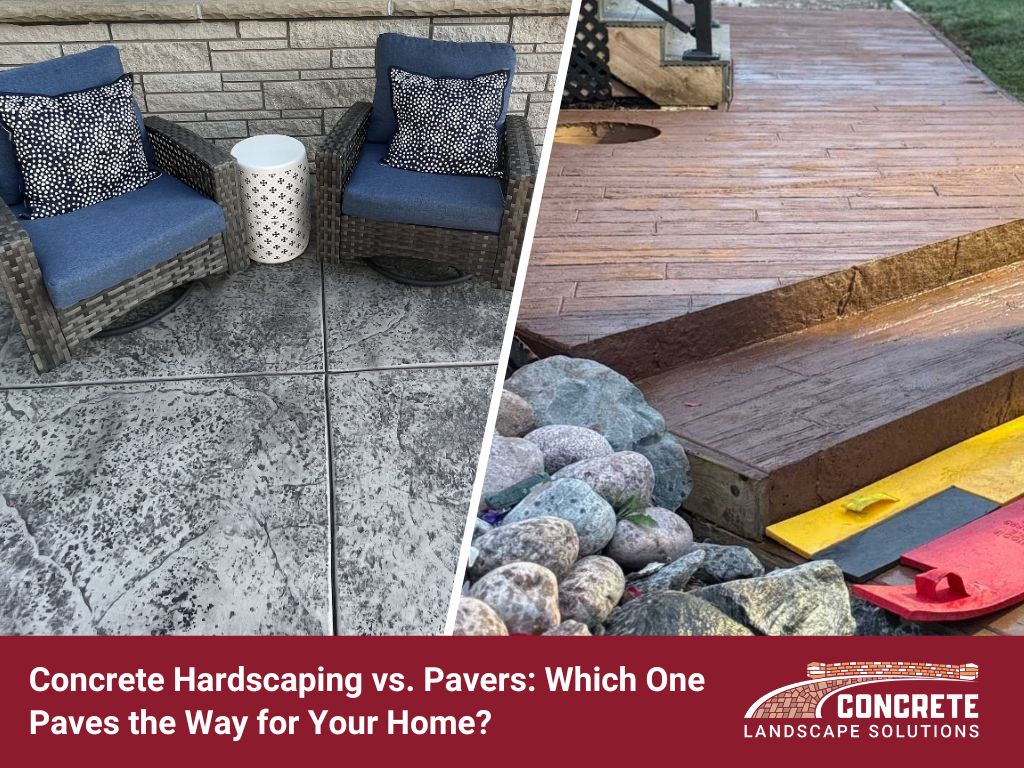
Why High-Maintenance Backyards Push Homeowners Toward Concrete Hardscaping
If your backyard feels like more work than enjoyment, you are not alone. In Southeast Wisconsin, many homeowners deal with wood decks that crack, splinter, or rot, as well as paver patios that shift, develop weeds, and create uneven walking surfaces. Those problems do more than hurt curb appeal. They can eat up your weekends, raise safety concerns for family and guests, and turn small fixes into ongoing repair bills. Add in the region’s freeze-thaw cycles, and traditional outdoor surfaces often become a recurring source of stress.
The frustration tends to build gradually. First, a few weeds appear between pavers, then one section settles after a wet season. Wooden surfaces begin to fade, soften, or crack after another harsh winter. Before long, your once enjoyable yard becomes just another maintenance headache. Freeze-thaw cycles, spring rain, summer heat, and snowmelt put extra pressure on outdoor spaces, especially when materials weren’t selected with long-term durability in mind.
The solution? Concrete hardscaping. By 2026, concrete has proven itself to be the ultimate material for outdoor spaces, combining value, strength, and style in ways other materials can’t match. It serves as the solid backbone of your property, providing a durable, attractive structure that remains stunning throughout the year, even during the dormant winter months. For homeowners looking for a low-maintenance, usable yard that requires less upkeep, concrete offers the perfect solution.
This guide is a broad overview comparing poured concrete hardscaping to traditional pavers. For a deep dive into decorative patio surfaces, see our Stamped Concrete Patios guide. For vehicle surfaces, read our Concrete Driveway Pricing guide. For sloped yards, visit our Concrete Retaining Walls page.
Design Flexibility and Cost Advantages of Concrete Hardscaping

One of concrete’s biggest strengths is how adaptable it is. Unlike wood decking, which usually follows straight framing lines, concrete can be formed into curves, custom borders, built-in seating, and layouts that help manage drainage. That makes it easier to design a patio, walkway, or driveway around the way you actually live and move through your space. It is also often a budget-friendly option, frequently costing 15% to 25% less per square foot than natural stone set in mortar.
Concrete also delivers superior performance in ways many homeowners overlook. Its thermal mass helps maintain stability in outdoor areas through fluctuating temperatures, and when professionally installed, it can be graded to direct water away from your home, minimizing puddling. Whether you’re upgrading your front entry, building a backyard retreat, or replacing a driveway, concrete’s combination of aesthetic appeal and reliable performance makes it the best option.
| Feature | Concrete Hardscaping (Poured) | Precast Pavers |
|---|---|---|
| Average Cost | Lower to Mid-Range | Mid-Range to High |
| Durability | High (30+ years with maintenance) | High (Individual units can shift) |
| Slip Resistance | Customizable (Broom/Aggregate are best) | Generally High |
| Design Flexibility | Infinite shapes and custom curves | Limited by unit shapes |
| Maintenance | Low (Seal every 3-5 years) | Moderate (Weeds in joints, leveling) |
A successful hardscape should harmonize with the home’s architecture. By choosing the right finish, a professional contractor ensures your flatwork complements your siding, brickwork, or stone accents perfectly. A modern home may call for crisp edges and a clean broom finish, while a traditional property may look best with warm color tones and a stamped pattern that echoes natural materials.
Top 5 Concrete Hardscaping Finishes for Aesthetic Appeal
- Broom Finish: The classic choice for Custom Concrete Driveways, providing excellent traction.
- Stamped Concrete: Mimics flagstone, slate, or wood planks without the weeds growing through cracks.
- Exposed Aggregate: Rugged and highly slip-resistant, perfect for pool decks or sloped walkways.
- Colored Concrete: Permanent iron-oxide pigments that will not peel or flake off.
- Rock Salt Texture: A weathered, natural pitted texture that looks wonderfully organic.
Each concrete finish serves a specific purpose. Broom and exposed aggregate finishes prioritize traction, making them perfect for wet or icy conditions. Stamped and colored concrete emphasizes visual appeal, making them great option for patios, entryways, and outdoor gathering spaces. For homeowners who want subtle charm, the rock salt texture provides a natural, decorative effect without overwhelming patterns.
Practical Applications in Challenging Terrains
In areas like the Bay View bluffs, flat land is a luxury. This is where concrete hardscaping proves its worth. Retaining Walls built from reinforced concrete handle the pressure of shifting soil and heavy rainfall. We often design tiered systems where Concrete Steps are poured directly into the structure, turning a useless slope into a functional Concrete Patio.
Concrete can also support practical features that make daily life easier, from clearly defined walkways and front approaches to driveways that stand up to vehicle traffic and changing weather. In many Southeast Wisconsin yards, the best results come from combining beauty with drainage planning, elevation changes, and long-term stability. That is where a professionally designed hardscape truly outperforms a quick cosmetic fix.
The Long-Term Solution: Professional Concrete Hardscaping
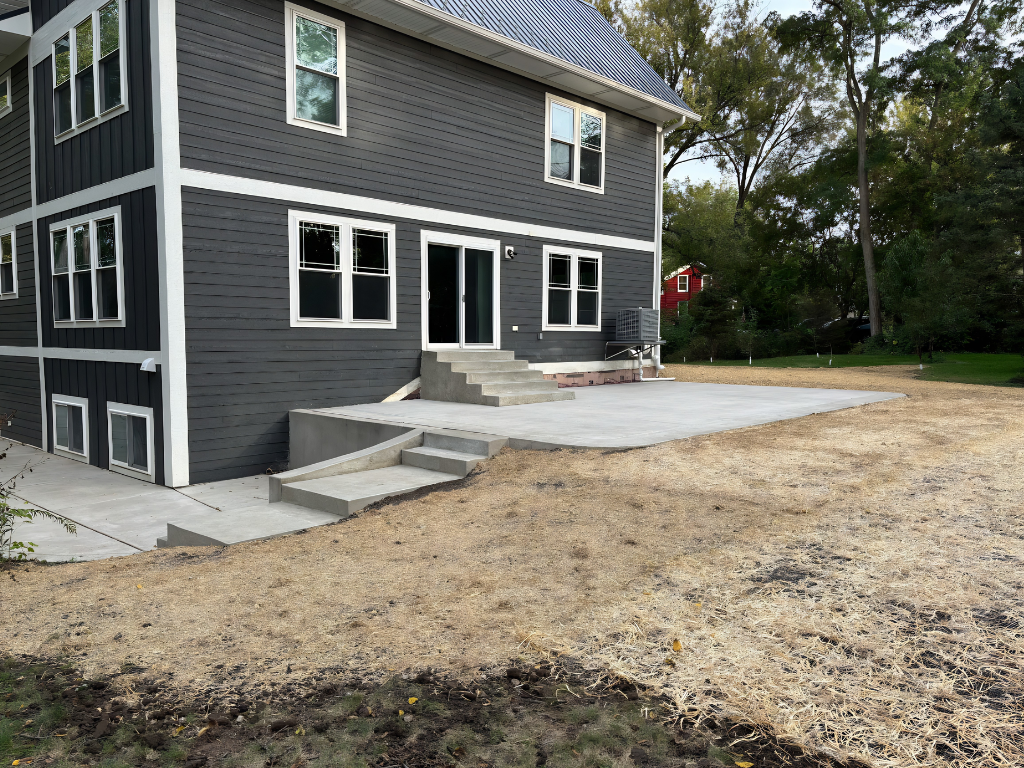
While the problem of maintenance is real, the solution is simpler than you think. A common myth is that concrete is set it and forget it. While it is incredibly low-maintenance compared to wood, it does require minimal care to survive the Wisconsin freeze-thaw cycle. Water getting into pores and freezing is the enemy, but professional sealing provides the ultimate defense. That small amount of preventive care is what helps quality concrete deliver reliable performance for decades instead of just a few seasons.
For many homeowners, this is where the comparison between concrete hardscaping and pavers becomes clear. Pavers can look attractive at first, but they often require repeated joint maintenance, re-leveling, and weed control over time. Professionally installed concrete offers a more seamless surface with fewer places for water intrusion, plant growth, and shifting. When your goal is an outdoor space that looks polished and stays functional with less effort, concrete often paves the better path forward.
Maintenance Tips for Decades of Durability
To keep your Projects looking like new, follow these simple steps:
- Sealing is Key: Reapply a high-quality sealer every 3 to 5 years to act as a raincoat for your concrete.
- Avoid Harsh Chemicals: Use sand for traction in winter instead of heavy de-icing salts.
- Gentle Cleaning: A seasonal wash with mild detergent is usually all it takes.
- Protect the Surface: Use pot risers for planters to prevent dark moisture spots.
- Annual Inspection: Seal tiny hairline cracks early to prevent water from expanding them in winter.
These habits do not take much time, but they can make a major difference in appearance and lifespan. A little proactive care is far more affordable than waiting until moisture intrusion, scaling, or crack expansion creates a larger repair issue. Homeowners who stay ahead of maintenance usually enjoy the best long-term value from their investment.
Poured-In-Place vs. Precast: Choosing Your Path
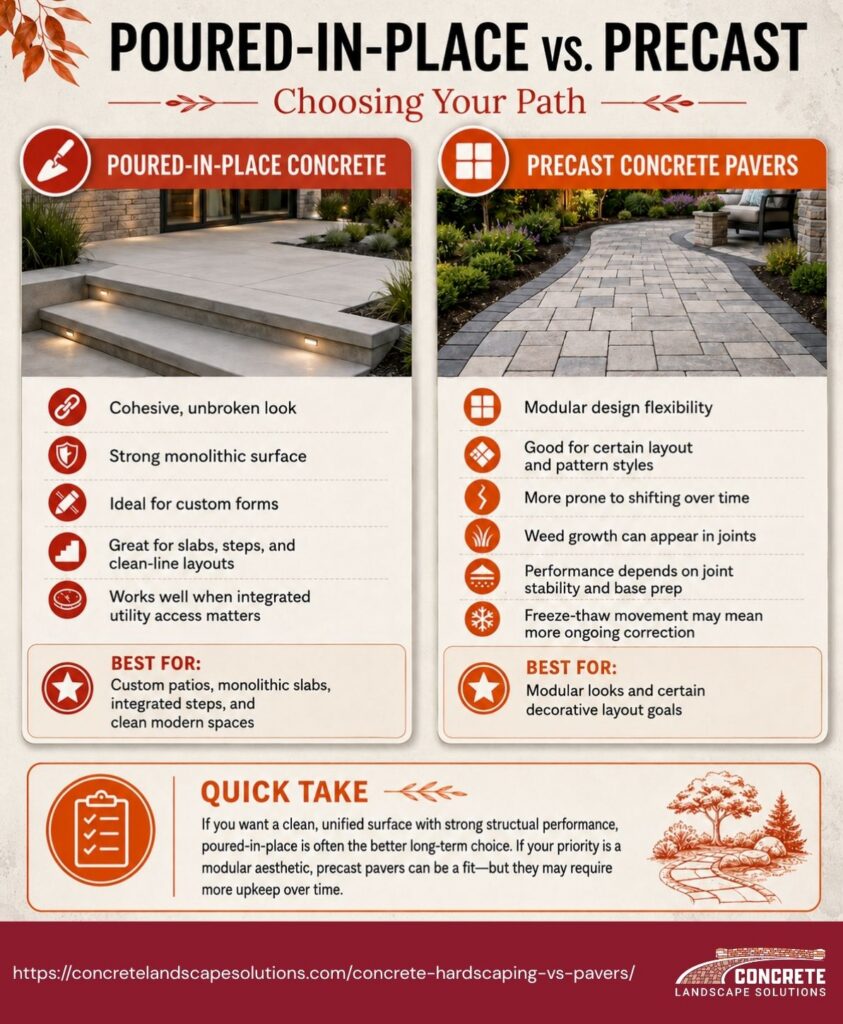
Poured-In-Place Concrete is the versatile miracle worker. As Gardenista points out, this method allows for a cohesive, unbroken look. It provides the structural muscle that individual blocks cannot match. It is an excellent fit for custom forms, monolithic slabs, integrated steps, utility-conscious layouts, and outdoor spaces where clean lines matter.
Precast Concrete Pavers offer modular flexibility and can be a good fit for certain design goals, but they are more prone to shifting and weed growth over time. They also rely heavily on joint stability and base performance across every unit. In climates with frequent freeze-thaw movement, that can mean more ongoing correction compared to a well-installed poured surface.
Key Takeaways: Choosing Poured Concrete Over Pavers
Upgrading your outdoor living space requires choosing materials that will survive the harsh freeze-thaw cycles of Wisconsin. While pavers offer modular flexibility, poured concrete hardscaping delivers a seamless, low-maintenance surface.
- Say Goodbye to Weeds: A continuous poured slab eliminates the joints and cracks where weeds and moss thrive in traditional paver patios.
- Prevent Settling Hazards: Because it acts as a single monolithic structure, properly reinforced concrete won’t shift and create the uneven trip hazards common with individual pavers.
- Endless Design Flexibility: From functional broom-finished driveways to luxurious stamped pool decks, concrete can be customized to match any architectural style.
- Professional Prep is Mandatory: To prevent cracking, the subgrade must be professionally excavated, compacted, and reinforced. DIY pouring is highly discouraged in clay-heavy soils.
Ready to upgrade your outdoor space with durable concrete hardscaping?
If you are tired of high-maintenance yards and want a permanent, beautiful solution for your Southeast Wisconsin home, the team at Concrete Landscape Solutions can help.
Contact us today to schedule your concrete hardscaping consultation.